
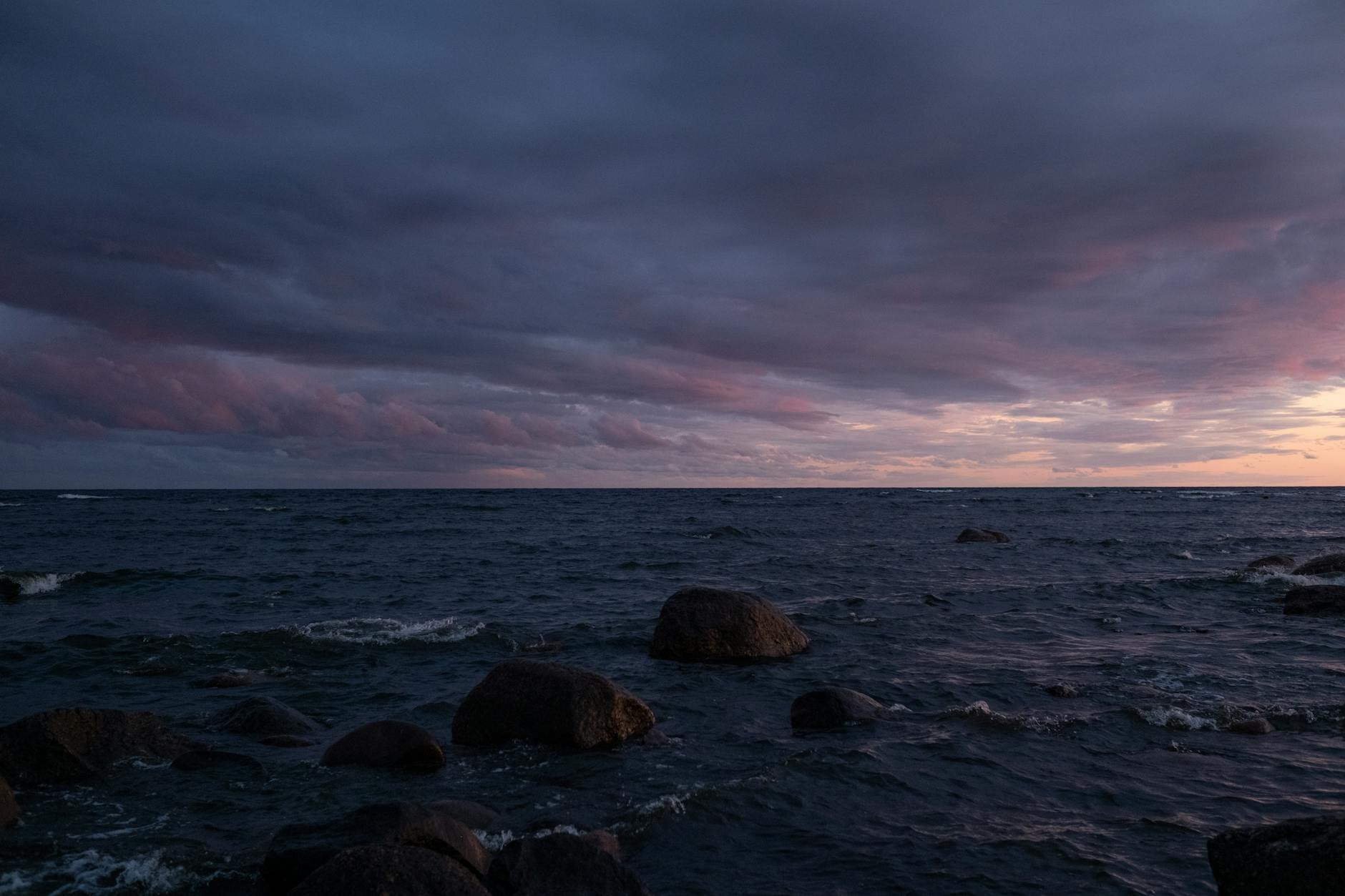
You learn quickly out here that the sea has moods. They shift without warning sometimes but there’s always a pattern if you know where to look. One of the first things they told me when I took over this post was simple but absolute—weather comes first. Before anything else. Before tea or coffee before checking the log before walking the gallery. If the weather shifts and you miss it that’s when mistakes happen.
I wasn’t careless about it. Not exactly. But I was used to weather reports being piped in clean and current. In the Coastguard we had tools and tech and backup. Out here the backup is your own eyes and the logbook by the window. That first week, I caught myself looking at the sky. It was like a stranger I had to learn to read all over again.
February air out here doesn’t play fair. It can feel still one moment and then come screaming out of nowhere. My second morning I stepped outside with a mug in hand to what looked like a dull gray sky. By the time I’d circled the tower the clouds had dropped low and thick. Within ten minutes the wind had kicked up and the waves were hitting the rocks hard enough to throw salt spray over the gallery rail. That was the first time I missed logging a shift in the pressure and I won’t forget it.
Now I check the instruments first thing and last. Barometer thermometer wind gauge tide times all logged with the date and a quick note on visibility. Nothing fancy. Just the facts. You’d be surprised how fast you start to see the difference between a heavy sky and a loaded one. I’ve started sketching the cloud shapes too when they hang around long enough. Not for art just so I can compare later. It helps more than you’d think.
I also started keeping a weather glass on the shelf by the kitchen window. One of those old decorative ones that shift color and clarity with changes in pressure. It’s more ornament than instrument but I like it. It reminds me to stay alert and take the sea seriously. A calm sea doesn’t mean a safe one. Not out here.
Evening light hits the clouds differently now. I notice the way high cirrus can give you a heads up twelve hours before a change. How a ring around the moon means moisture’s coming. The trick isn’t predicting every storm—it’s knowing when the world is about to change. When to batten things down and when to wait it out.
Wrapping Up with Key Insights
Living out here the weather isn’t background noise—it’s the main conversation. Every gust and cloud and ripple on the water carries meaning. Learning to read those signs isn’t just about staying dry. It’s about staying safe and staying ready. The sea doesn’t care if you’re tired or distracted. It comes when it comes and the best thing you can do is meet it prepared.

Leave a Reply